
Drivetrain component design
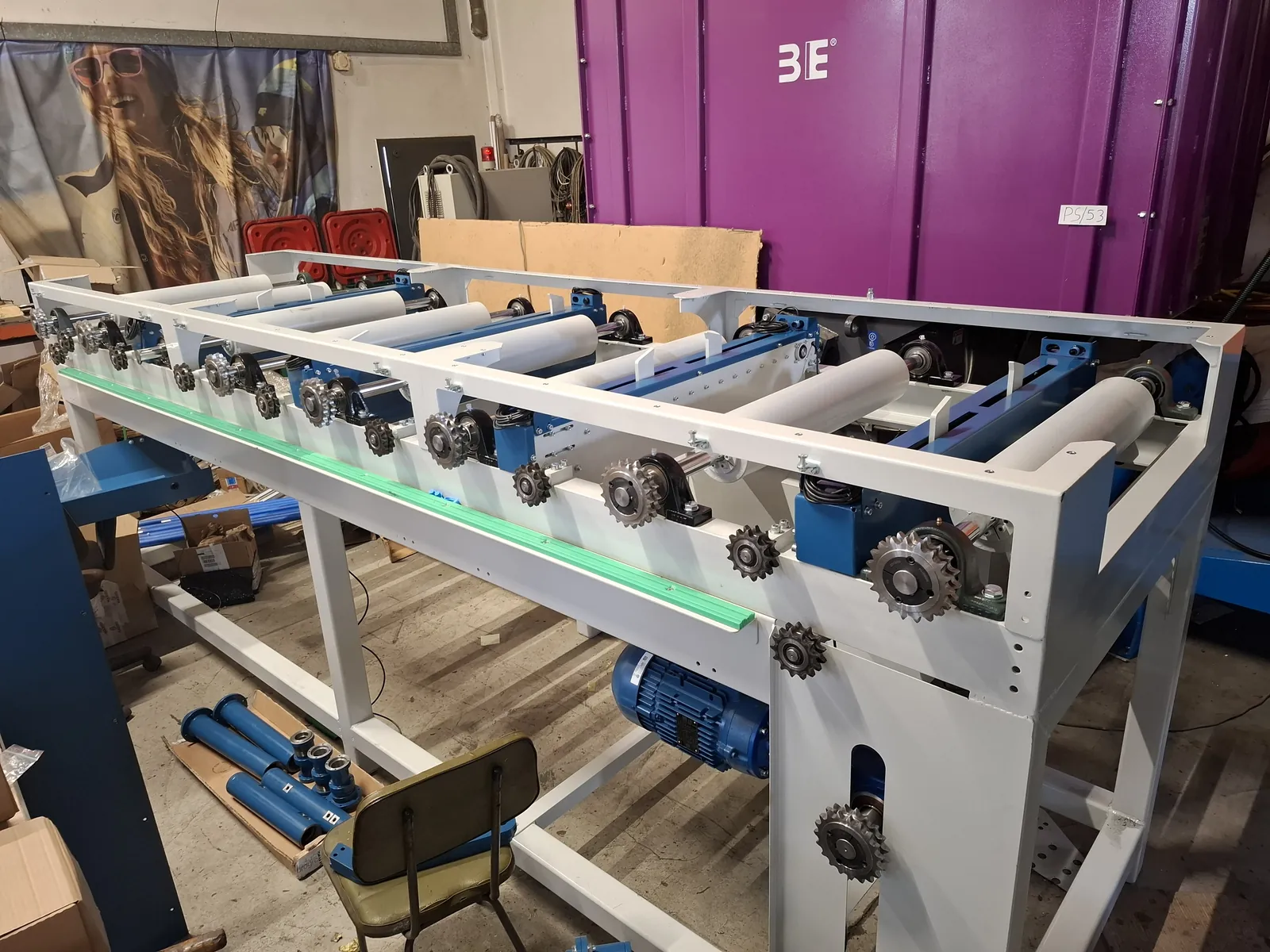
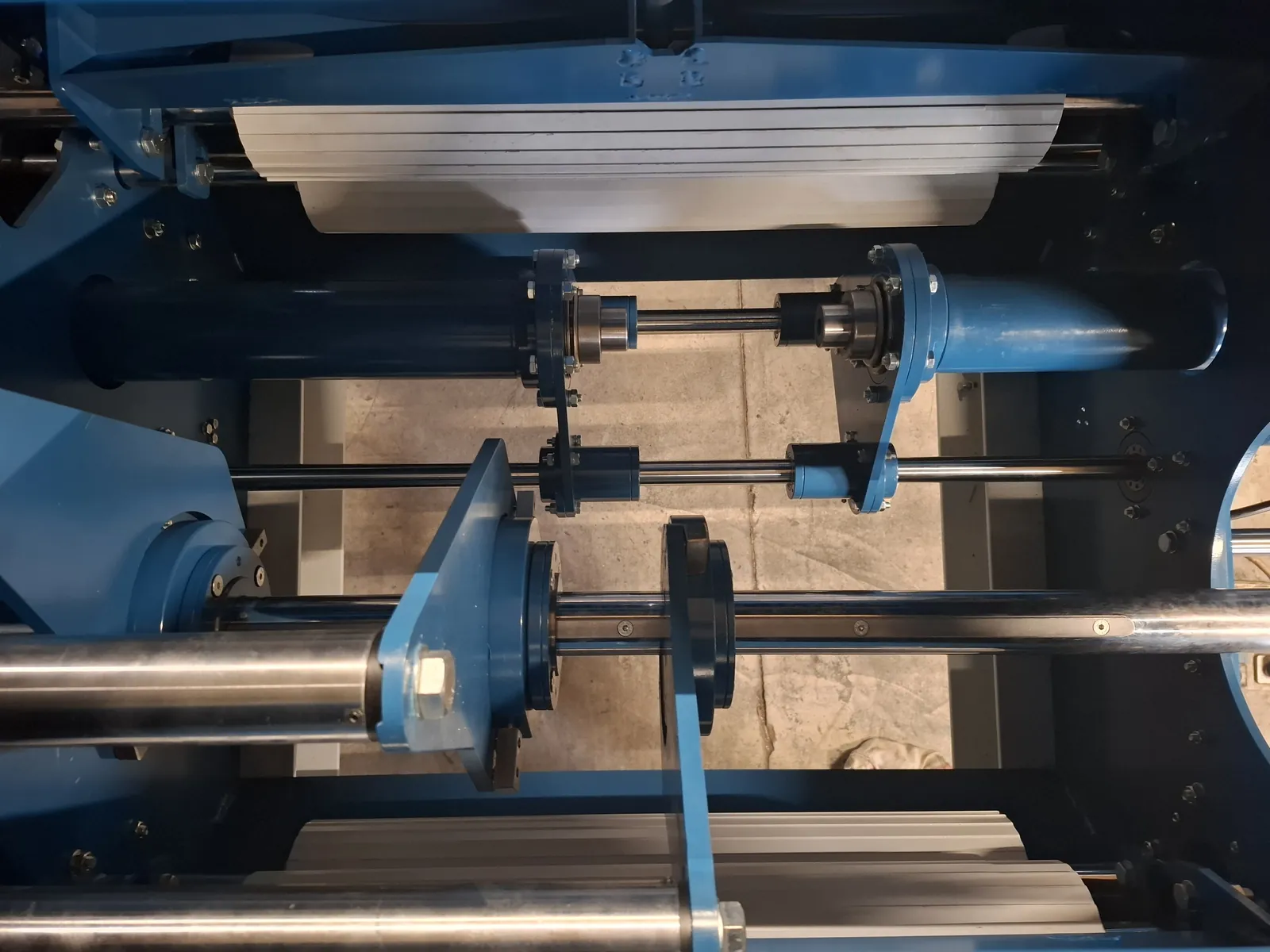
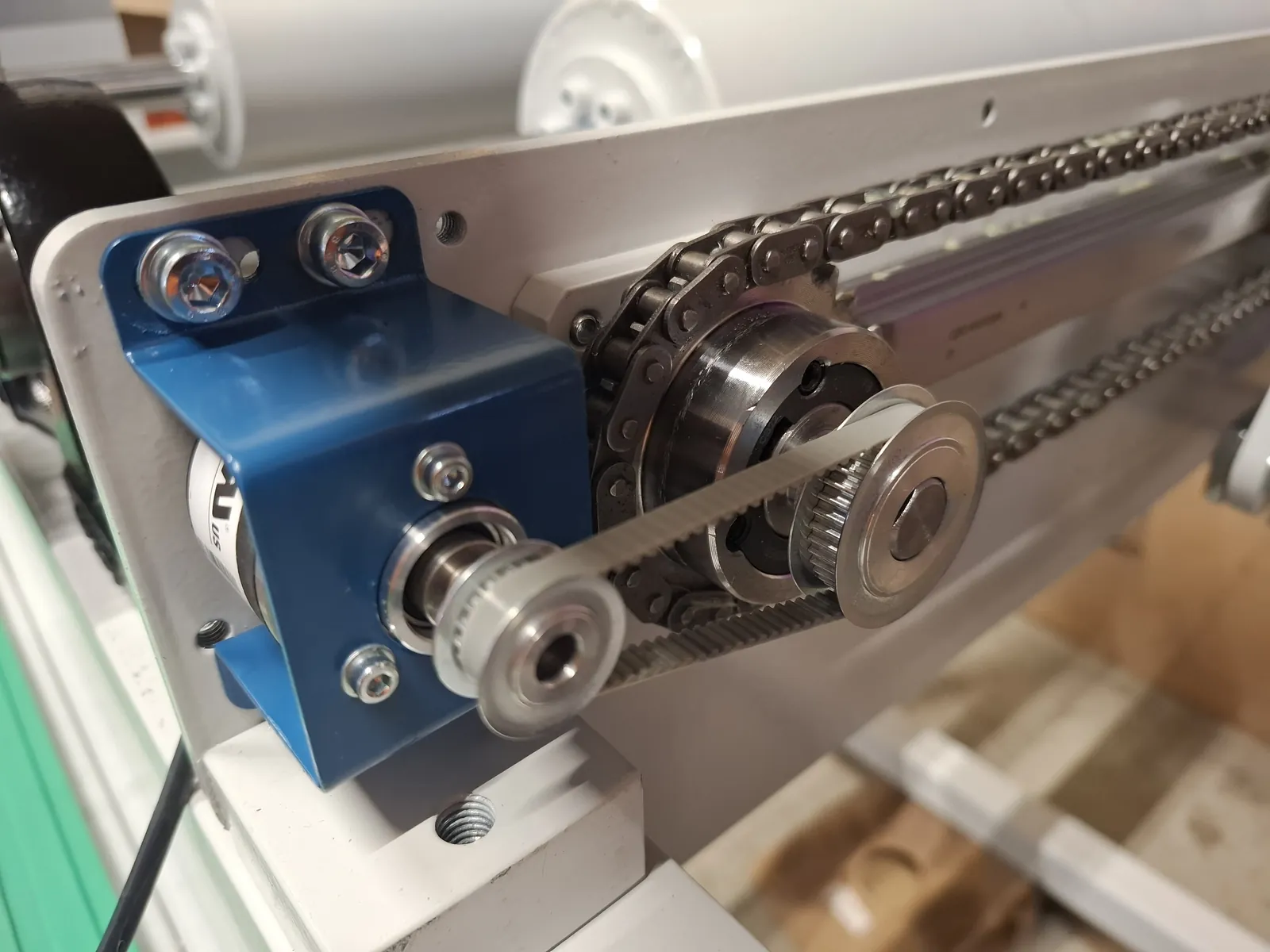
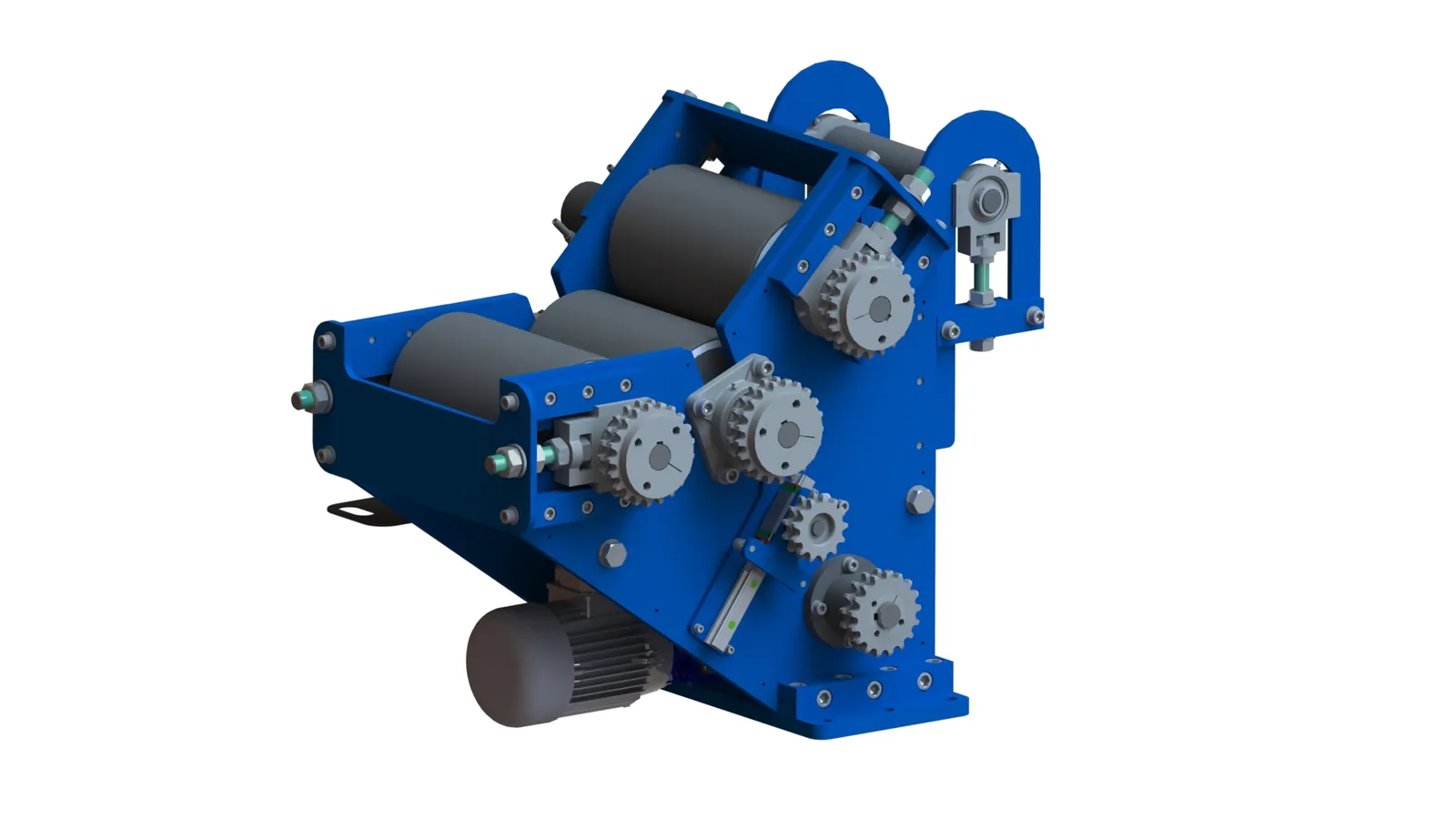
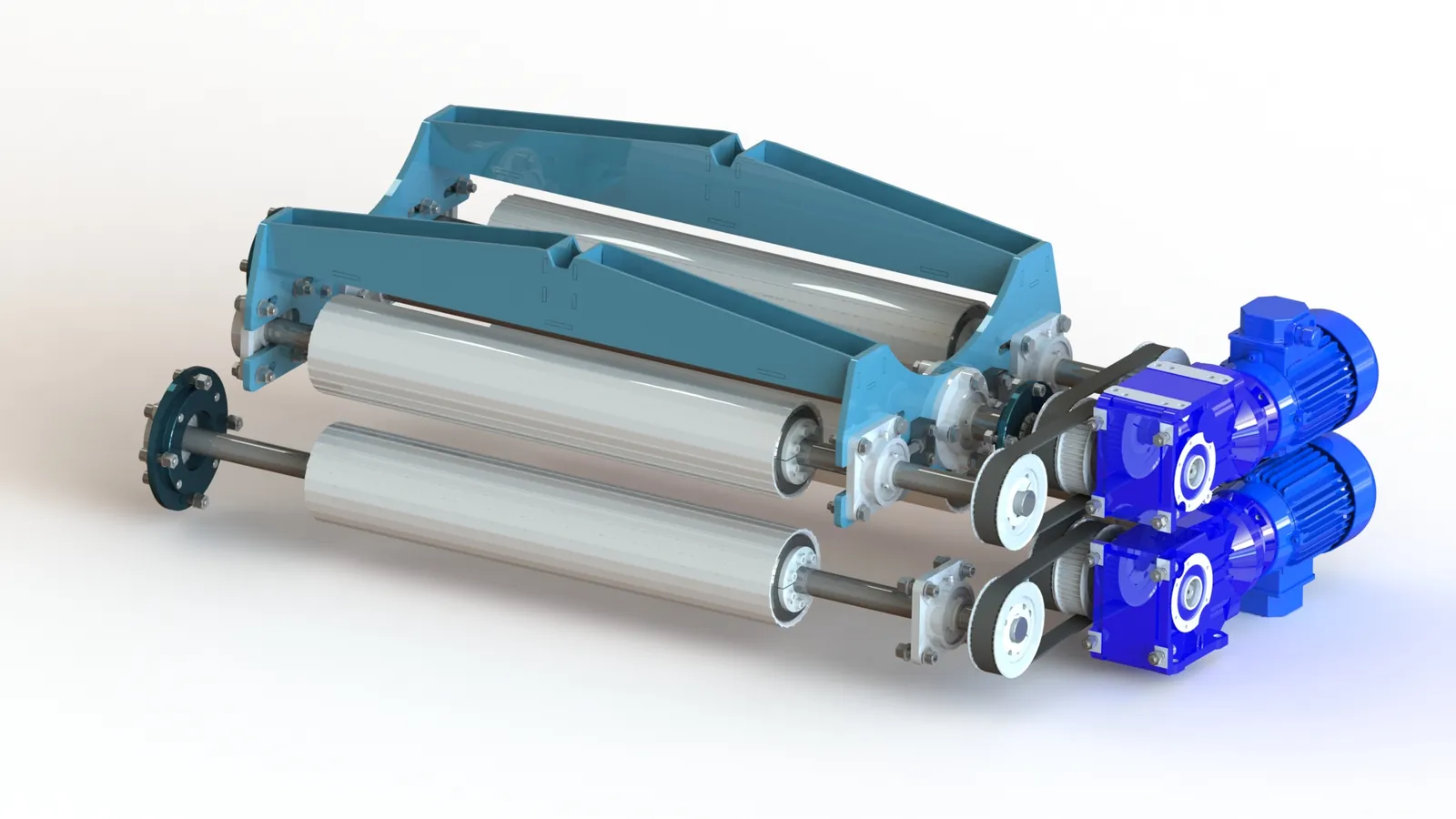
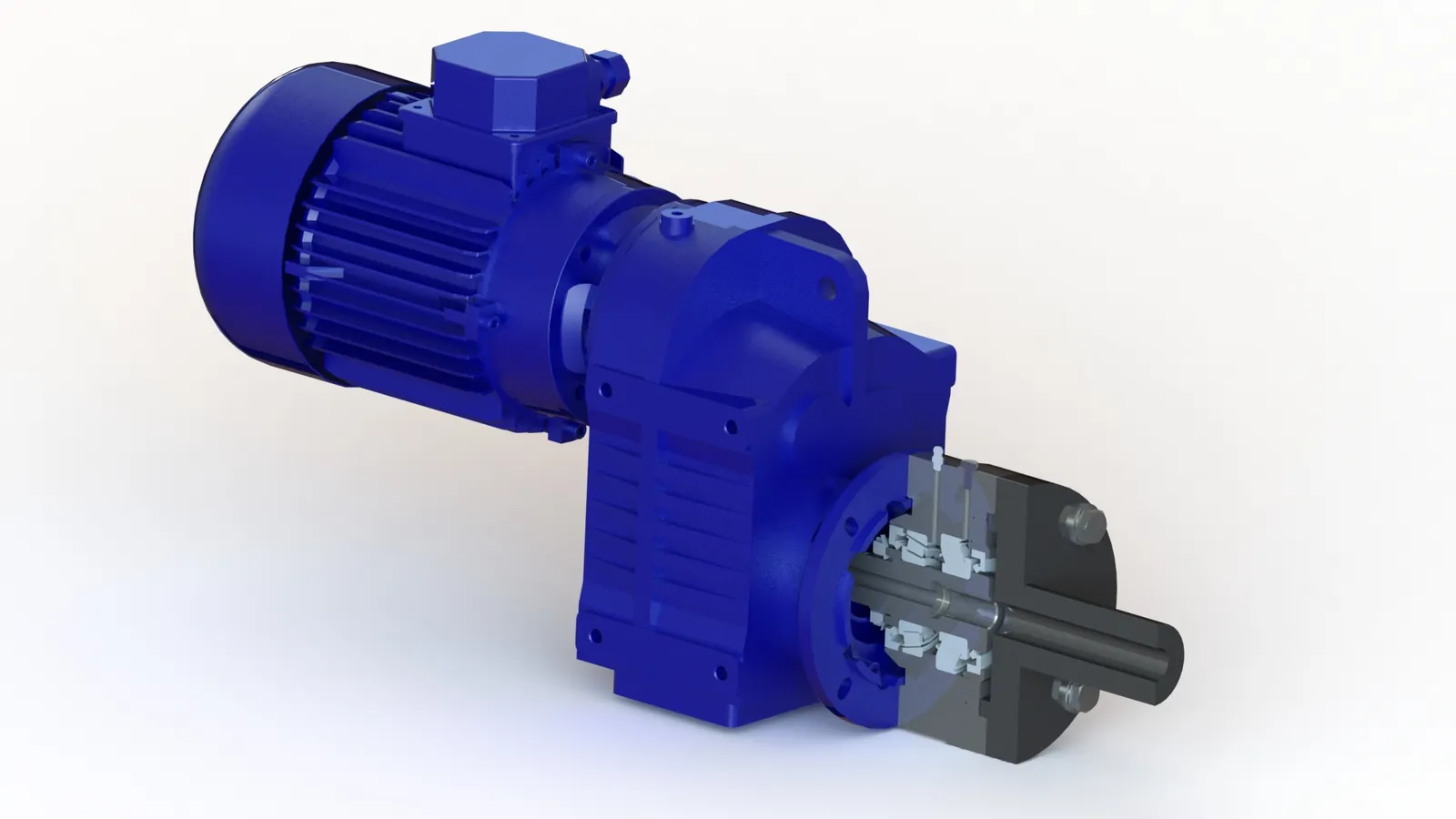
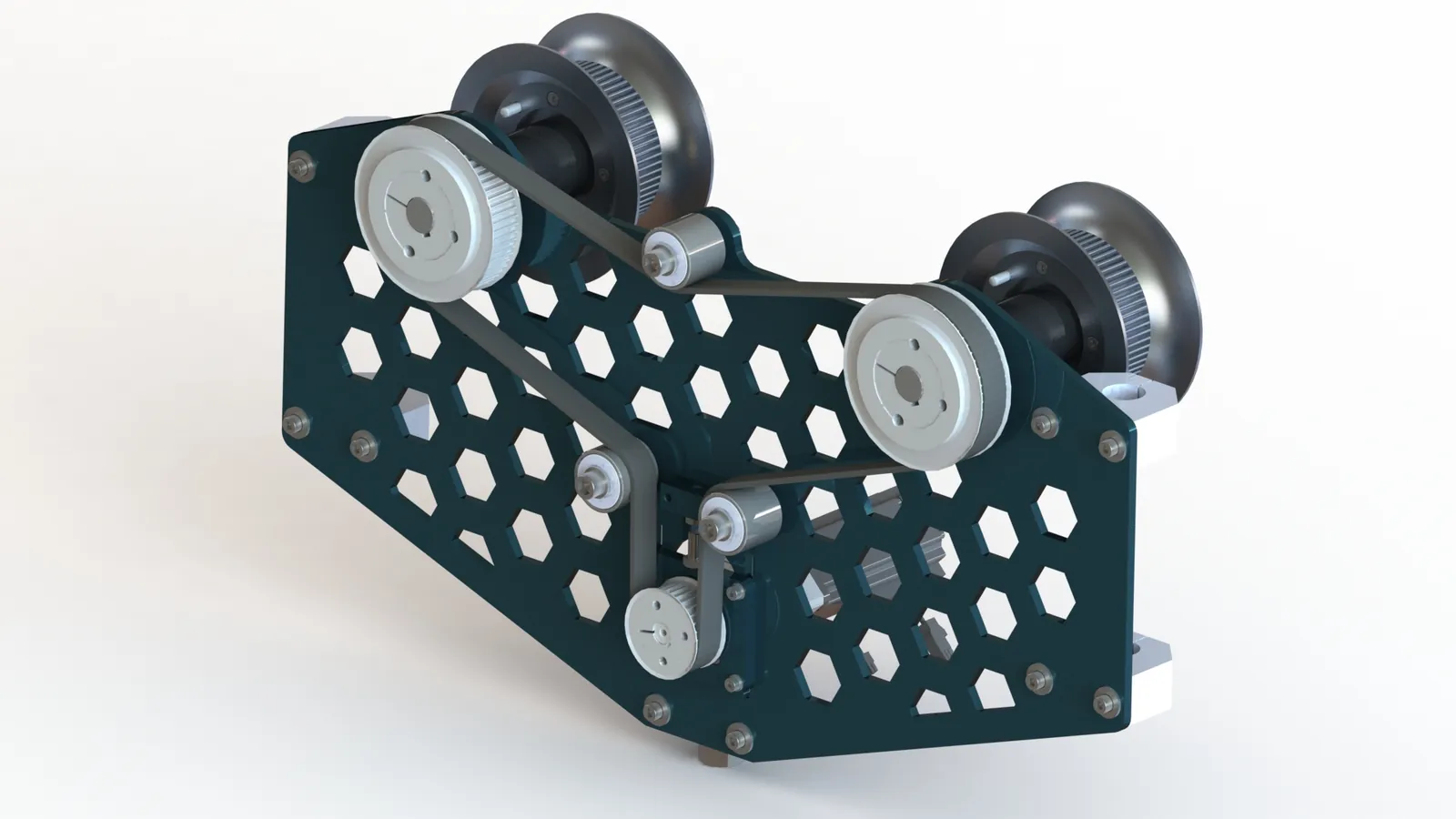
We design key drivetrain components tailored to the specific operating conditions of machines and equipment. We offer the design of spur, bevel and worm gears, as well as shafts, axles and bearing systems, both rolling and hydrodynamic. Every project is preceded by an analysis of loads and operating conditions, and key components are verified for strength using analytical methods and FEM. We create durable, precise solutions optimised for reliability and performance.
Questions about this service
What types of gear transmissions do you design?
We design spur (cylindrical), bevel and worm gear transmissions. Each one is matched to how the machine actually works, meaning the loads it transmits and its operating conditions. Besides the gears, we design the parts that work with them: shafts, axles and bearing arrangements. The drive is therefore designed as a whole, not as a set of separately selected parts.
Do you design shafts, axles and bearing arrangements?
Yes. We design shafts and axles as well as bearing arrangements, both rolling and hydrodynamic. Sizing is based on an analysis of loads and operating conditions, and key components are verified for strength using analytical methods and FEA. The choice between rolling and hydrodynamic bearings is justified by calculations made for the specific case, not by habit.
What information do you need to design a drive?
The starting point is an analysis of loads and operating conditions. Useful inputs include what the drive has to do, the power or torque transmitted, speeds, the duty cycle and the space available in the machine, plus documentation or photos of the existing solution. Any missing data is worked out together during the consultation, where we also agree the project scope.
How do you verify the strength of gears and shafts?
Key components are checked in two ways: with analytical calculations and with the finite element method (FEA). Analytical calculations are used to size the components, while FEA shows the stress distribution in areas of complex geometry. Verification is carried out for the loads and operating conditions agreed at the start of the project, which reduces the risk of oversizing or premature failure.
Where does the name EVOLVENS come from and how is it related to gears?
The involute (Latin: evolvens) is the curve that defines the flanks of gear teeth. The involute profile is used in most modern gear transmissions, so the name of the office refers directly to drivetrain design. Evolvens also stands for development, which reflects our openness to unusual engineering solutions.